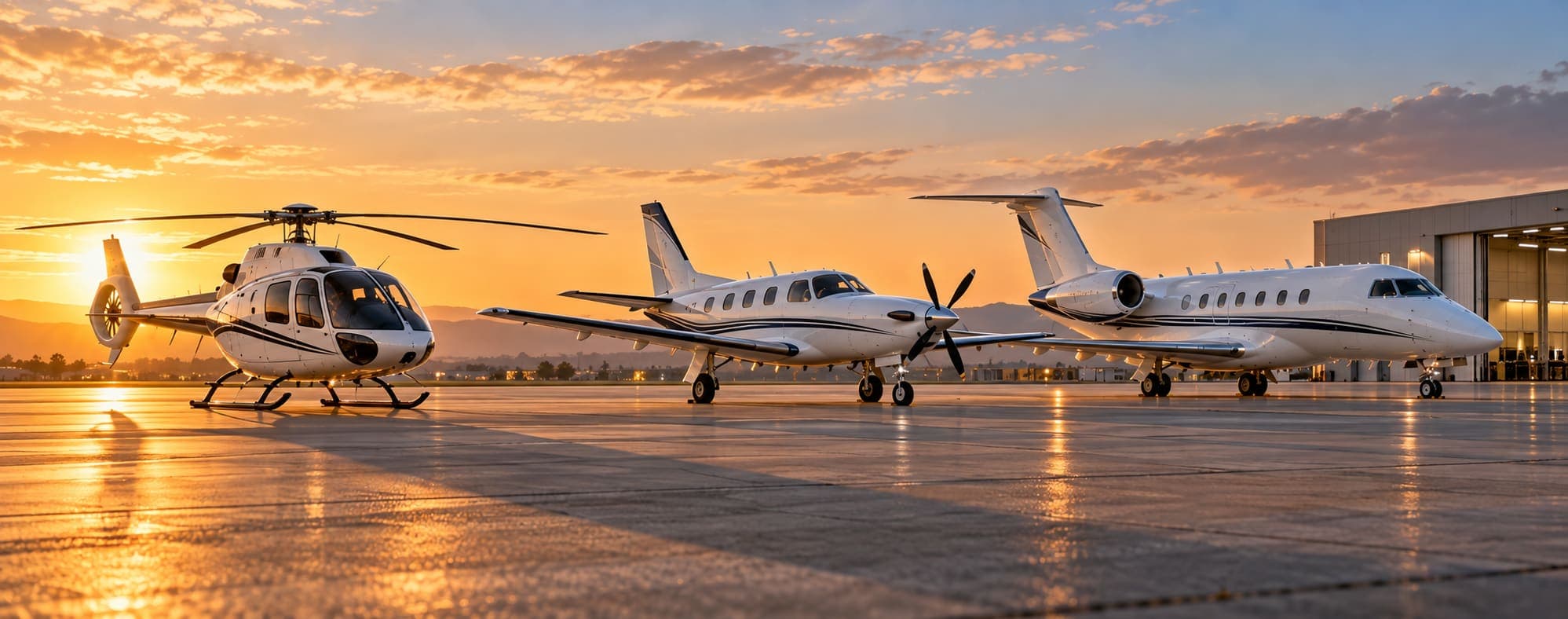
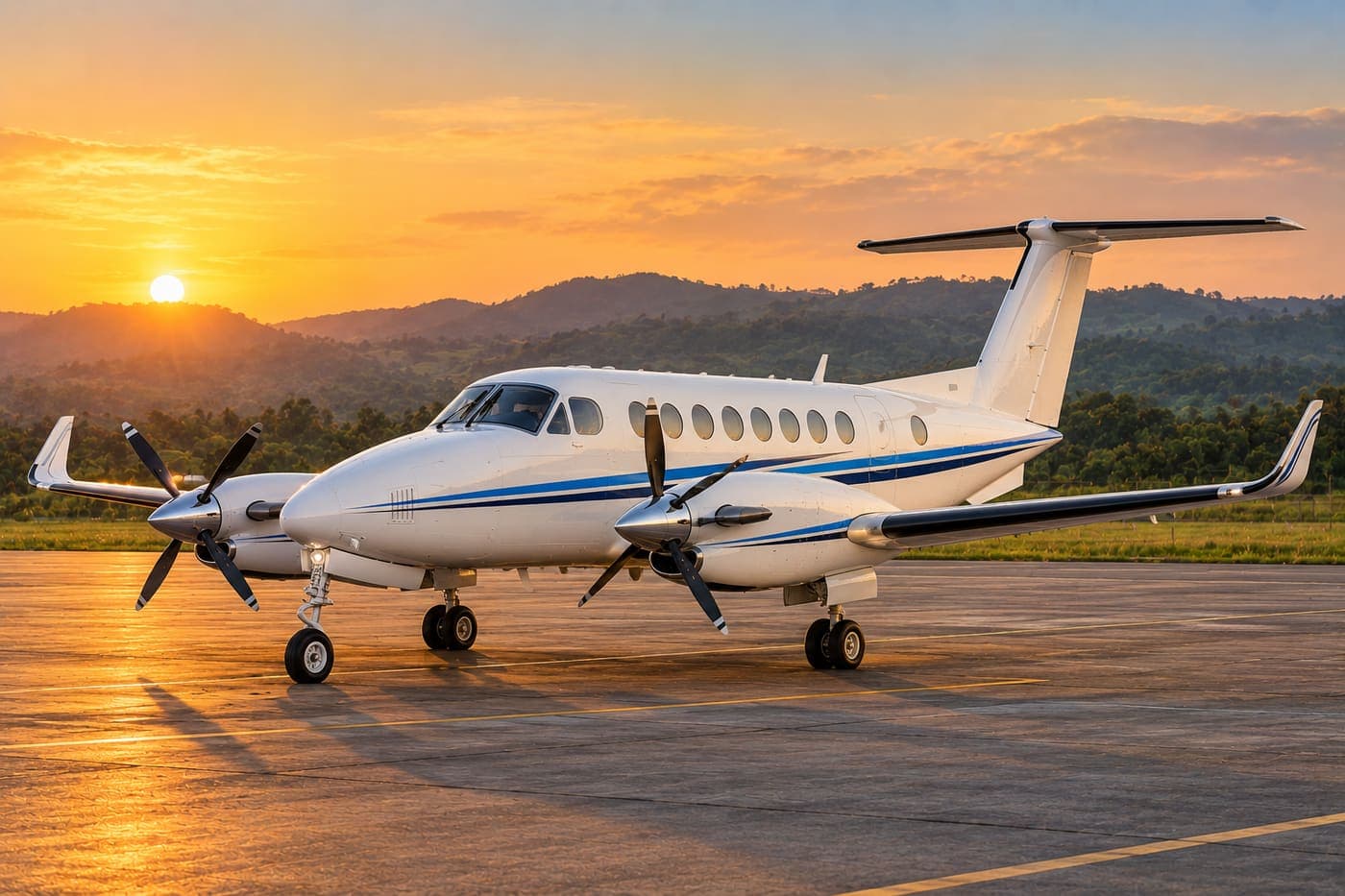
A helicopter, a turboprop and a business jet on an apron at sunset

Turboprops for Charter

Turboprop charter is the right choice for short flights and short runways, which covers a large share of charter flying within India.

Get a turboprop charter quote

Aircraft
Passengers

154 Indian airports are listed. A helipad or private airstrip can be typed in directly, and we will confirm the landing point with you.

Prefer to talk?+91 93556 11996WhatsApp

All 6 turboprops: seats, range and speed

Showing 6 of 6. Tap a card for full details.

  • Illustration of the King Air B300TurbopropUp to 11 passengers

    King Air B300

    Powerful twin-turboprop with pressurized cabin and excellent short-field performance. Ideal for group travel and executive transport.

    Seats
    8–11
    Speed
    560–580km/h
    Pilots
    1–2
    Range2,780–3,330 km(1,500–1,800 nm)
    View detailsGet a quote
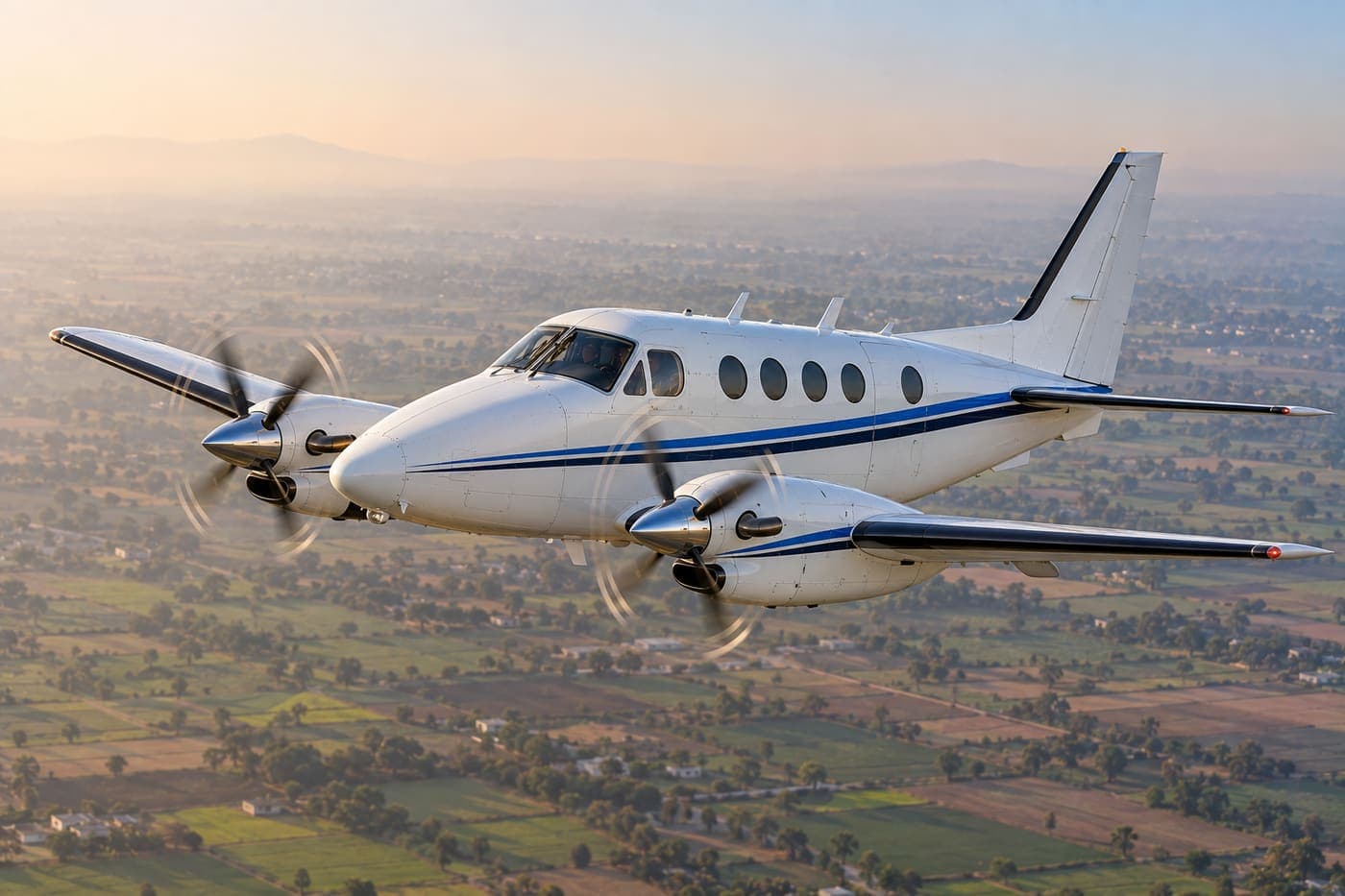
  • Illustration of the King Air C90TurbopropUp to 7 passengers

    King Air C90

    Efficient entry-level twin-turboprop suitable for regional hops and shorter routes.

    Seats
    5–7
    Speed
    410–460km/h
    Pilots
    1–2
    Range1,850–2,410 km(1,000–1,300 nm)
    View detailsGet a quote
  • Illustration of the Super King Air B200TurbopropUp to 9 passengers

    Super King Air B200

    Versatile twin-turboprop workhorse with strong climb performance and flexible cabin configurations.

    Seats
    7–9
    Speed
    520–540km/h
    Pilots
    1–2
    Range2,780–3,150 km(1,500–1,700 nm)
    View detailsGet a quote
  • Illustration of the Super King Air B200GTTurbopropUp to 9 passengers

    Super King Air B200GT

    Updated version of the B200 featuring modern avionics and improved performance.

    Seats
    7–9
    Speed
    540–560km/h
    Pilots
    1–2
    Range2,960 km(1,600 nm)
    View detailsGet a quote
  • Illustration of the Super King Air B350TurbopropUp to 11 passengers

    Super King Air B350

    Stretched, higher-capacity version of the B300 family with excellent payload-range capability.

    Seats
    8–11
    Speed
    560–580km/h
    Pilots
    1–2
    Range3,150–3,330 km(1,700–1,800 nm)
    View detailsGet a quote
  • Illustration of the Pilatus PC-12TurbopropUp to 9 passengers

    Pilatus PC-12

    Highly versatile single-engine turboprop with excellent short- and rough-field performance. Often operated alongside business jets.

    Seats
    6–9
    Speed
    480–540km/h
    Pilots
    1
    Range2,780–3,330 km(1,500–1,800 nm)
    View detailsGet a quote
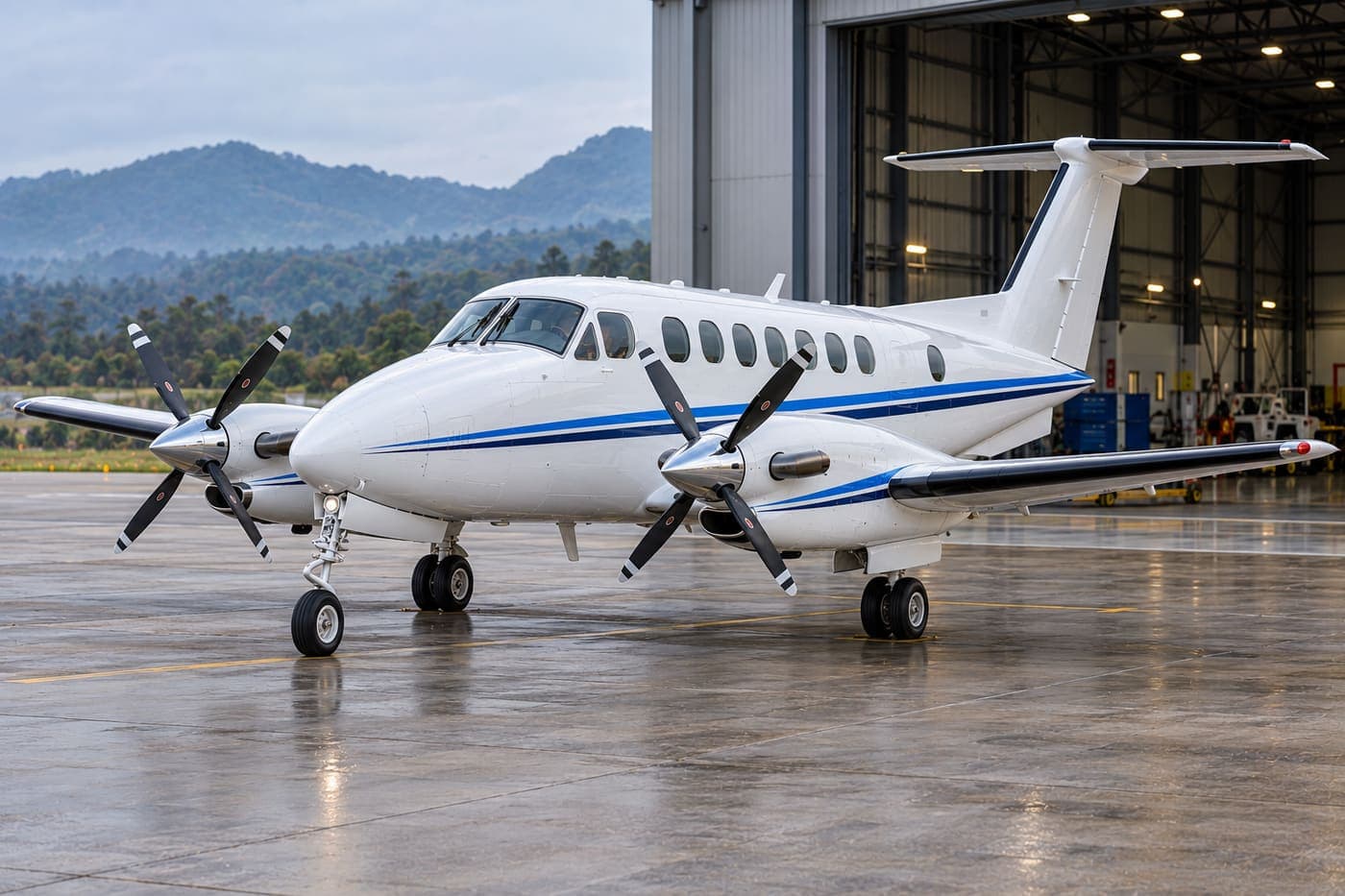
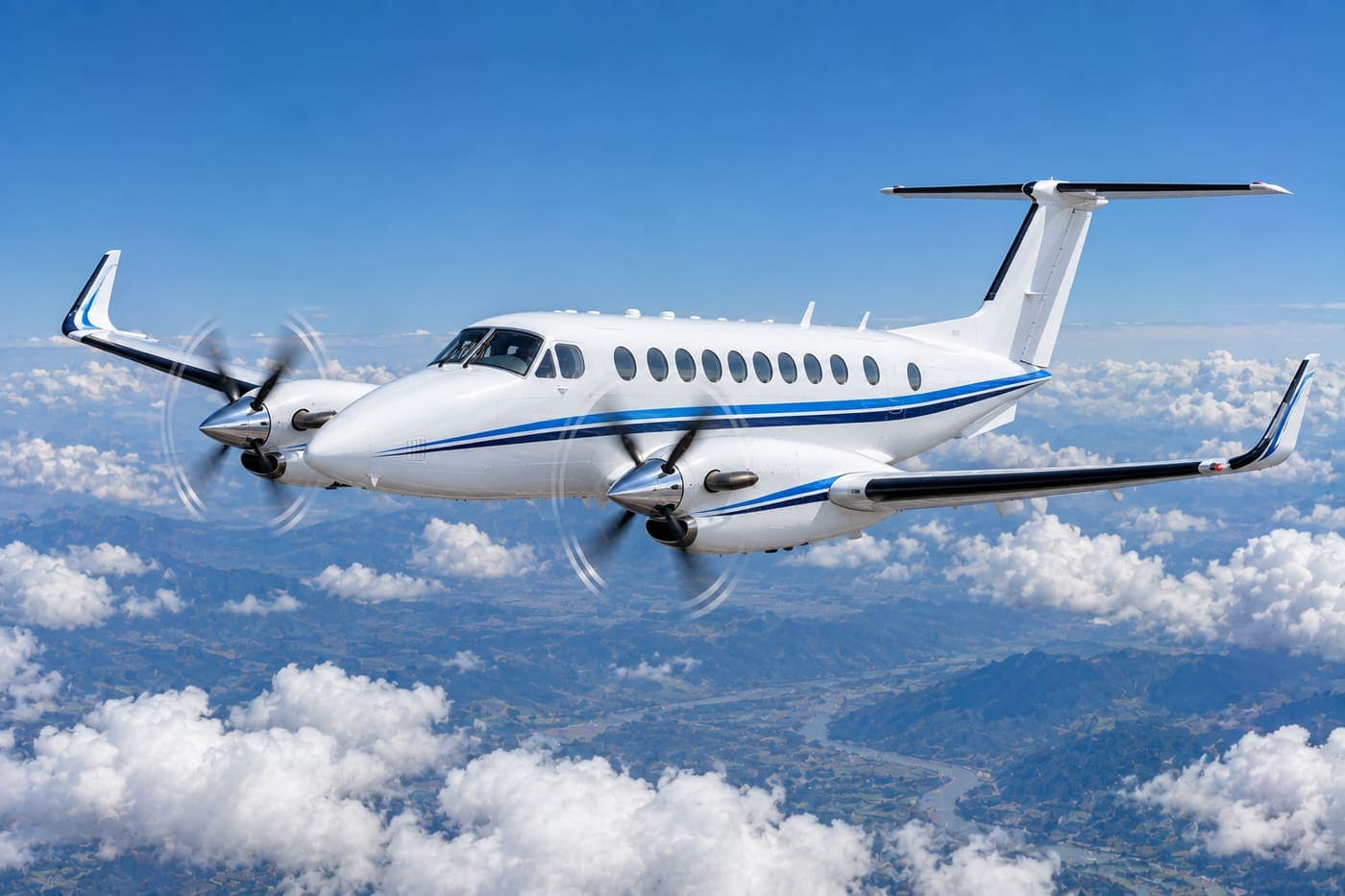
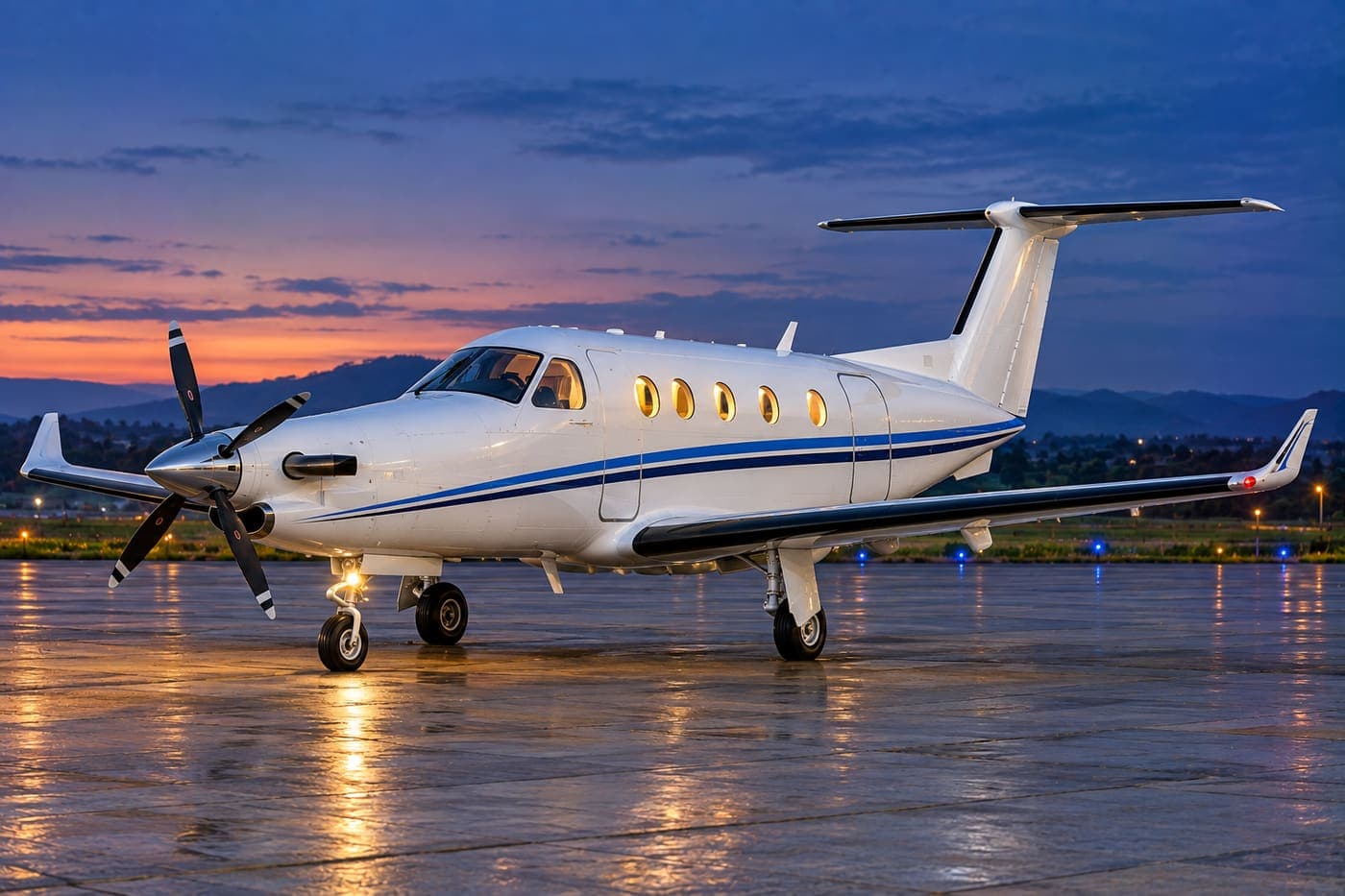
Figures are typical for each type, not for one specific aircraft, and vary with layout, weight, altitude and temperature. Pictures are illustrations, not the listed aircraft.

When turboprop charter is the better choice

  • Flights under roughly an hour, where a jet does not pay off
  • Airfields with short or unpaved runways, or few approach aids
  • Destinations with limited facilities that cannot handle a jet
  • Trips that carry equipment or awkward loads with passengers
  • Budget regional travel where arrival time barely changes

Turboprops for Charter FAQs

Is a turboprop slower than a jet?

Yes in cruise, but on flights under about an hour you arrive only a little later, because most of a short flight is spent climbing and descending rather than cruising.

Are turboprops less comfortable than private jets?

Turboprop cabins are smaller than a similar jet’s, but modern turboprops are pressurised and quiet enough for normal conversation, so the main difference you notice is cabin height and width.

When is turboprop charter cheaper than a jet?

Turboprop charter is often cheaper on flights under about an hour, because on a short trip a turboprop arrives within a few minutes of a jet for considerably less money.

Choosing turboprops for charter

A jet wastes much of its speed on a short trip. On a 250-mile flight, it spends most of the time climbing and descending. It barely reaches the cruise where it is efficient. A turboprop (a propeller plane with turbine engines) is built for lower heights and shorter distances. It often lands within a few minutes of the jet, for considerably less money.

Runways are the other reason, and in India they often decide it. Plants, project sites and district airfields often have runway lengths, surfaces or approach aids that rule jets out completely. At these places a turboprop is not the compromise. It is the only aircraft that can land.

The trade-off is speed and cabin size. Above roughly two hours, the jet’s speed saves real time. Turboprops also fly lower, so they meet more weather along the way.